Emotional Eating Real Talk: Understanding & Breaking Free with Compassion
An honest, judgment-free guide to understanding emotional eating and developing healthier coping strategies with evidence-based therapeutic approaches
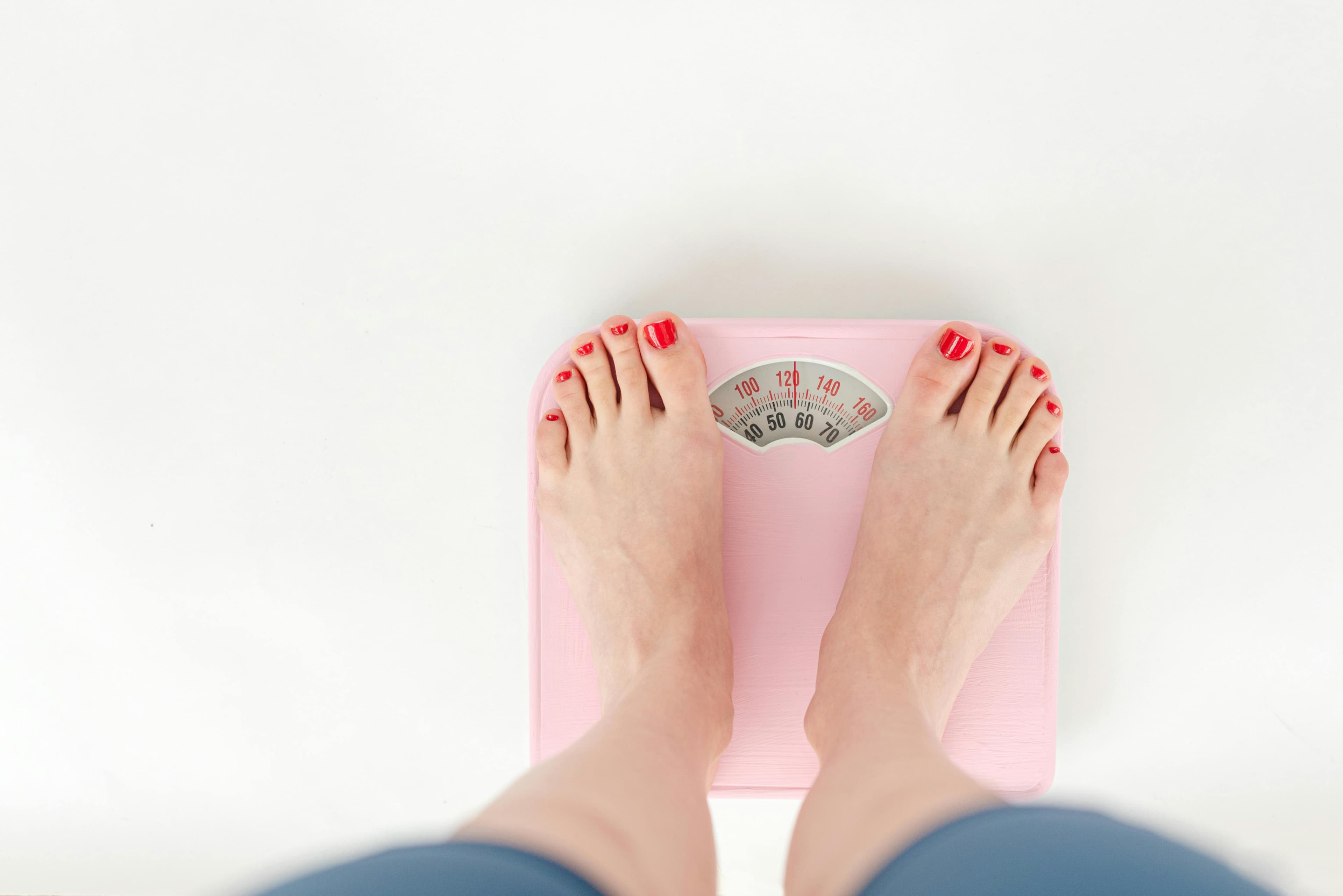
Key Takeaways
- • 75% of overeating is emotionally driven—you're not alone in this struggle
- • Emotional eating developed for valid reasons and served you at some point
- • Self-compassion is more effective than self-criticism for lasting change
- • Mindfulness practices can reduce emotional eating by 50% or more
- • Building emotional resilience takes time—healing isn't linear
- • Professional support is available and effective
This guide provides evidence-based information about emotional eating from licensed mental health professionals. For personalized support, consider connecting with our specialized therapists and registered dietitians.
A Note Before We Begin
If you're reading this, you're already taking a brave step. Emotional eating is incredibly common—studies show 75% of overeating is emotionally driven[1]. You're not broken, weak, or lacking willpower. You're human, and you deserve compassion on this journey.
Helpful tools: Try our stress assessment, mental wellness check, or eating patterns quiz
If you've ever found yourself standing in the kitchen at midnight, eating straight from the container while tears stream down your face—you're not alone. If you've demolished a bag of chips during a stressful work day, or if food has become your most reliable friend when life gets overwhelming, this conversation is for you. No shame here, just understanding.
Here's what we need you to know right now: you're not broken. You're not weak. You're not lacking willpower. Emotional eating affects 75% of people, and it developed for very valid reasons[1]. Your brain learned that food could provide comfort, and it's been trying to help you feel better the only way it knows how.
But we also know you're here because something feels off. Maybe you're tired of the shame spiral after emotional eating episodes. Maybe you want to expand your toolkit beyond food. Maybe you're ready to understand why this pattern developed and how to gently shift it. You're in exactly the right place.
Understanding Emotional Eating
Emotional eating is using food to manage feelings rather than satisfy physical hunger. It's turning to food for comfort, stress relief, or as a reward. And here's something important: everyone does it sometimes[1].
💝The 7 Most Common Emotional Eating Triggers
Overwhelming Stress
Work deadlines, family chaos, financial pressure
💡 Ever notice how you crave crunchy or sweet foods during your most stressful days? Your brain is seeking quick relief.
Deep Loneliness
Feeling disconnected, misunderstood, or isolated
💡 Food becomes a companion when human connection feels unavailable. It's always there, never judges, never leaves.
Restless Boredom
Lack of stimulation or meaningful activities
💡 When your mind is understimulated, eating creates sensation and activity. It's something to do with your hands and mouth.
Profound Sadness
Grief, disappointment, heartbreak, depression
💡 Sweet foods temporarily boost serotonin. Your body is literally trying to help you feel better through chemistry.
Gnawing Anxiety
Worry about the future, feeling out of control
💡 Chewing and swallowing activate your parasympathetic nervous system, creating a calming effect your body craves.
Joyful Celebration
Using food to enhance happy moments
💡 This one's actually healthy! Food has always been part of human celebration. The issue arises when it's your only joy source.
The women we work with often tell us: "I never realized I was trying to solve emotional problems with food. Once I understood the 'why,' everything started to make sense."
The key is recognizing these patterns without judgment. You developed these coping mechanisms for a reason—they served you at some point. Now, we're simply exploring whether they're still serving you well.
The Psychology Behind Food and Emotions: Why This Makes Perfect Sense
Ever wonder why you can resist cookies all day, then demolish half a package after a fight with your partner? There's fascinating science behind these patterns—and understanding it will help you feel compassion instead of shame for your very human responses[6].
🧠The Dopamine Connection: Your Brain's Reward System
Here's what surprised researchers...
When you eat foods high in sugar, fat, or salt, your brain releases dopamine—the exact same "feel-good" chemical triggered by falling in love, getting a promotion, or hearing your favorite song. Your brain literally experiences food as a reward[6].
What this means for you: After enough repetitions, your brain creates a pathway: "Feeling bad? Food will help!" It's not weakness—it's your brilliant brain trying to solve an emotional problem with the tools it has available.
💙 Compassion reminder: Your brain developed this pattern to protect you. It noticed you felt better after eating certain foods, so it filed that information under "helpful coping strategies." You're not broken—you're human.
👶The Childhood Connection: Where It All Began
Ever notice how...
Certain foods transport you back to feeling small and cared for? That's because our earliest food memories are deeply emotional. If your parents offered cookies when you cried, brought soup when you were sick, or celebrated with cake, your young brain learned: "Food = love and comfort."
Common Childhood Food Messages:
- • "Clean your plate" (ignore fullness cues)
- • "No dessert until you finish" (food hierarchy)
- • "Ice cream makes everything better" (food as comfort)
- • "We celebrate with special treats" (food = love)
Your Adult Brain Remembers:
- • Food can make me feel loved
- • Eating shows I deserve good things
- • Certain foods mean safety and comfort
- • Food is how people show they care
🤗 Important: Understanding these connections isn't about blaming your parents or childhood—most caregivers did their absolute best with the tools they had. This is about recognizing why certain patterns developed so you can gently choose new responses as an adult.
🔄The Diet-Emotional Eating Trap: Why Restriction Backfires
You might be thinking...
"If I just had more willpower around food, I wouldn't emotionally eat." But here's what actually happens: when you restrict foods or follow rigid diet rules, your brain interprets this as potential starvation. It ramps up cravings and makes "forbidden" foods even more appealing[5].
The Restriction-Rebellion Cycle:
The solution isn't more restriction—it's permission. When all foods are emotionally neutral, they lose their power to trigger rebellious eating.
🚨 Diet culture lie: "You just need more willpower." Scientific truth: Restriction creates the biological and psychological conditions that make emotional eating more likely, not less.
Why Self-Compassion is Key
"Research consistently shows that shame and self-criticism don't lead to lasting change—they often trigger more emotional eating. Compassion, on the other hand, creates the psychological safety needed for genuine transformation. It's not about being permissive; it's about being wise."
Licensed Marriage and Family Therapist, Certified Eating Disorder Specialist
Practicing Self-Compassion
Acknowledge Without Judgment
Notice emotional eating without labeling it as 'good' or 'bad'
Speak Kindly to Yourself
Use the same words you'd use with a dear friend
Remember You're Not Alone
Millions struggle with emotional eating—it's part of being human
Try This Compassion Exercise:
Next time you catch yourself emotionally eating, pause and place your hand on your heart. Take three deep breaths and say:
"This is a moment of struggle. Struggle is part of being human. May I be kind to myself in this moment."

Practical Coping Strategies
Let's explore some practical tools for managing emotions without always turning to food. Remember, the goal isn't to never emotionally eat—it's to expand your toolkit so food isn't your only option[2].
The HALT Check-In
Before reaching for food, ask yourself: Am I...
The 10-Minute Rule
When you feel the urge to emotionally eat, tell yourself you can have whatever you want—in 10 minutes. During those 10 minutes:
- •Take 5 deep breaths
- •Name what you're feeling without judgment
- •Do something that engages a different sense (listen to music, light a candle)
- •Check in again after 10 minutes
Often, the urge will pass. If it doesn't, eat mindfully and without guilt.
Create a Comfort Menu (That's Not Food)
List activities that soothe different emotions:
Mindful Eating Techniques
Mindful eating isn't about eating less—it's about being present with your food. This practice can transform emotional eating from an unconscious habit to a conscious choice[2].
The BASICS of Mindful Eating
Breathe
Take 3 deep breaths before eating to center yourself
Assess
Check your hunger level on a scale of 1-10
Slow down
Put your fork down between bites
Investigate
Notice flavors, textures, and how food makes you feel
Check in
Pause halfway through to reassess hunger
Savor
End with gratitude for the nourishment
Remember:
Mindful eating during emotional moments isn't about stopping yourself from eating. It's about bringing awareness to the experience so you can truly receive the comfort you're seeking.
Alternative Stress Management Tools
Since stress is a major trigger for emotional eating, building a stress-management toolkit is essential. Here are evidence-based techniques that can provide relief without food[5]:
🫁Box Breathing Technique
This Navy SEAL technique quickly calms your nervous system:
- 1Inhale for 4 counts
- 2Hold for 4 counts
- 3Exhale for 4 counts
- 4Hold empty for 4 counts
Repeat 4-6 times
🌊5-4-3-2-1 Grounding
Engage your senses to anchor yourself in the present:
- •5 things you can see
- •4 things you can touch
- •3 things you can hear
- •2 things you can smell
- •1 thing you can taste
✍️Emotion Journaling
Write for 5 minutes about what you're feeling. Don't edit—just let it flow.
- • Right now I'm feeling...
- • What I really need is...
- • If my emotion could speak, it would say...
🏃♀️Movement as Medicine
Gentle movement releases endorphins naturally:
- •5-minute dance party
- •Gentle stretching
- •Walk around the block
- •Yoga flow
- •Jump rope or jumping jacks
Building Emotional Resilience
Long-term freedom from emotional eating comes from building emotional resilience—the ability to feel your feelings without being overwhelmed by them[4].
The Four Pillars of Emotional Resilience
Emotional Awareness
Learn to name and recognize emotions as they arise
Distress Tolerance
Build capacity to sit with uncomfortable feelings
Self-Regulation
Develop healthy ways to manage intense emotions
Connection
Cultivate supportive relationships
Common Questions About Emotional Eating
Not at all! Food has always been connected to emotions and celebrations across cultures. Occasional emotional eating is normal and human. It only becomes problematic when it's your primary coping mechanism or causing distress in your life.
Your brain associates certain foods with comfort based on past experiences. Carbohydrate-rich foods can temporarily boost serotonin (the 'feel-good' hormone), while creamy or crunchy textures may provide sensory comfort. These cravings are your brain's way of seeking relief.
Physical hunger builds gradually, can be satisfied with various foods, and stops when you're full. Emotional hunger comes on suddenly, craves specific comfort foods, and often persists even after eating. Physical hunger is felt in your stomach, while emotional hunger is often felt as a craving in your mouth or mind.
Seeking help is a sign of strength, not weakness. A therapist specializing in eating behaviors or a registered dietitian can provide personalized strategies. If emotional eating significantly impacts your life, professional support can make a tremendous difference.
Yes! Research shows mindfulness practices can reduce emotional eating by 50% or more. Mindfulness helps you pause between feeling and action, giving you space to choose how to respond to emotions rather than react automatically.
Hormones significantly influence emotional eating patterns. Cortisol (stress hormone) increases cravings for high-calorie foods. During menstrual cycles, fluctuating estrogen and progesterone can trigger emotional eating. Understanding these patterns helps normalize the experience and develop targeted coping strategies.
Healing emotional eating patterns is a gradual process that varies for each person. With consistent practice of mindfulness and alternative coping strategies, many people see improvements within 4-8 weeks. However, developing a fully transformed relationship with food and emotions may take several months to years of compassionate self-work.
Your Path Forward
Small Steps, Big Changes
Awareness
Simply notice emotional eating patterns without trying to change them
Experimentation
Try one new coping strategy when emotions arise
Integration
Build your personalized emotional wellness toolkit
Remember This Above All:
Healing your relationship with food and emotions is not about perfection. It's about progress, self-compassion, and slowly expanding your capacity to feel without always needing to feed.
Some days you'll use your new tools. Other days you'll eat the cookies. Both are okay. What matters is that you're bringing consciousness to the process and treating yourself with the kindness you deserve.
References
- 1.Macht, M. (2008). How emotions affect eating: A five-way model. Appetite, 50(1), 1-11.External link
- 2.O'Reilly, G. A., et al. (2014). Mindfulness-based interventions for obesity-related eating behaviours: A literature review. Obesity Reviews, 15(6), 453-461.External link
- 3.Kristeller, J., et al. (2014). Mindfulness-based eating awareness training (MB-EAT) for binge eating: A randomized clinical trial. Mindfulness, 5(3), 282-297.External link
- 4.Neff, K. D., & Germer, C. K. (2013). A pilot study and randomized controlled trial of the mindful self-compassion program. Journal of Clinical Psychology, 69(1), 28-44.External link
- 5.American Psychological Association. (2022). Stress eating and emotional eating: Understanding the connection. Clinical Psychology Review, 89, 102-115.External link
- 6.Gibson, E. L. (2012). The psychobiology of comfort food: implications for neuropharmacological interventions. Behavioural Pharmacology, 23(5-6), 442-460.External link
Related Articles
Continue your PCOS journey with these helpful guides
Mental Health Screening: Know the Signs & Get Help
Understanding depression, anxiety, and trauma symptoms with evidence-based screening tools.
Stress Management for Women: Science-Backed Strategies
Effective stress reduction techniques tailored for women's unique challenges and hormonal patterns.
Mindful Eating: A Complete Beginner's Guide
Learn mindful eating techniques to improve your relationship with food and support overall wellness.
You Don't Have to Do This Alone
Connect with our compassionate registered dietitians who specialize in emotional eating and women's health. No judgment, just support.
Healing Your Relationship with Food
Get weekly insights on mindful eating, emotional wellness, and self-compassion delivered with care to your inbox.
No spam, unsubscribe at any time.
Last Updated: 9/4/2025
Medical Disclaimer: This article is for educational purposes only and does not constitute mental health treatment or therapy. If you're struggling with emotional eating, binge eating disorder, or other eating concerns, please consult with qualified mental health professionals or registered dietitians who specialize in eating disorders. Help is available, and recovery is possible.
If you are experiencing a mental health crisis, please contact the 988 Suicide & Crisis Lifeline (call or text 988) or the Crisis Text Line (text HOME to 741741).