Seasonal Eating for Women's Health: Your Complete Guide to Eating with Nature's Rhythm
Discover how aligning your diet with the seasons can optimize hormonal balance, boost energy, and support your health goals naturally
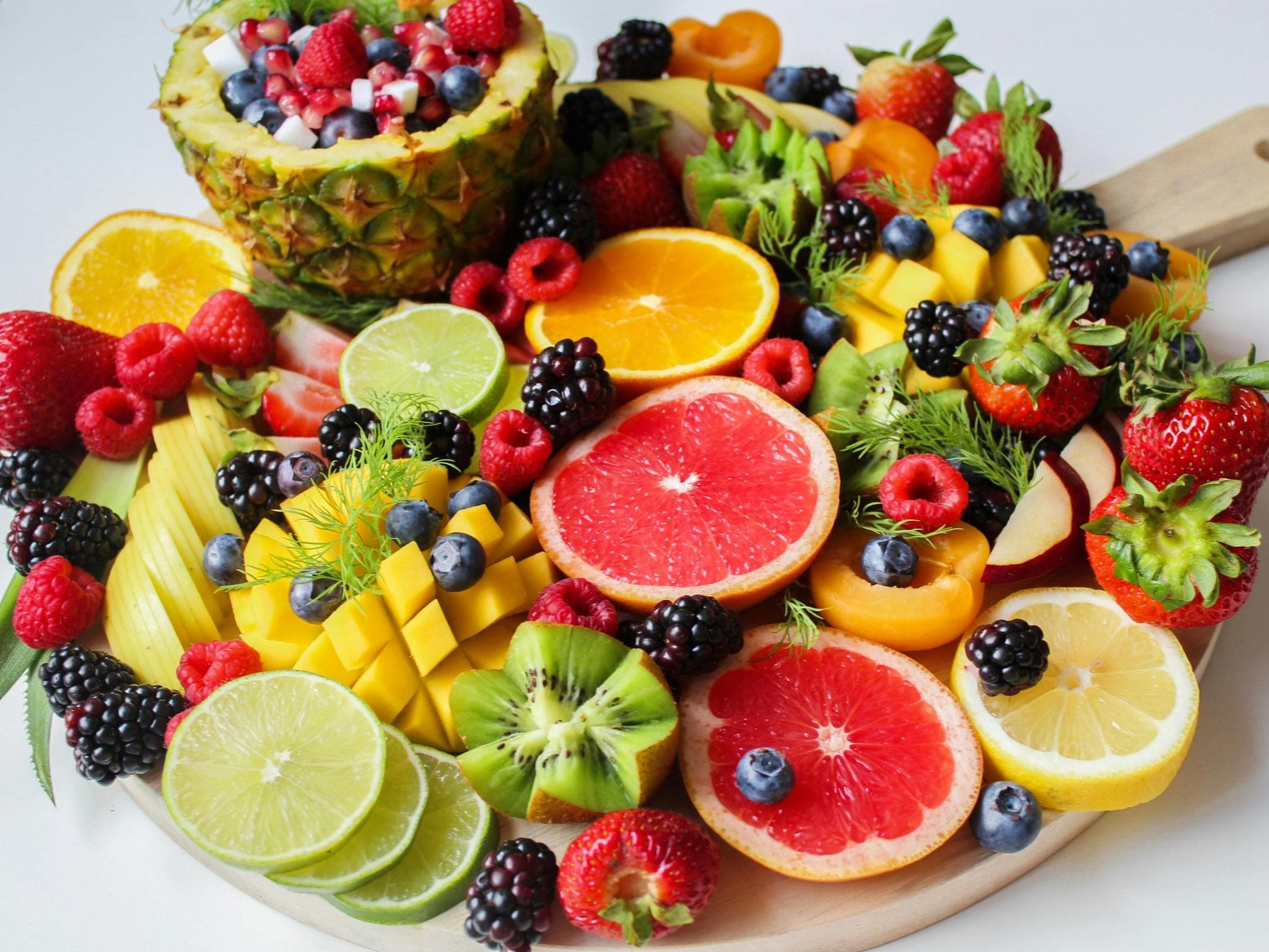
What You'll Discover Today
- Why your cravings change with the seasons (and how to work WITH them, not against them)
- The surprising science behind why seasonal foods contain up to 50% more nutrients
- Simple seasonal swaps that can reduce your grocery bill by 30-40% this month
- The hormonal reason why fall comfort foods actually make you feel better
- Your personalized seasonal meal planner to make this effortless
This guide provides evidence-based information about seasonal eating for women's health. For personalized nutrition advice, consult with healthcare professionals through our platform.
If you've ever felt disconnected from your food, confused by conflicting nutrition advice, or guilty about your grocery spending, you're not alone. I hear from women every day who feel overwhelmed by the pressure to eat "perfectly" while juggling work, family, and everything else life throws at them.
Here's what might surprise you: the solution isn't another restrictive diet or expensive superfood supplement. It's actually returning to something beautifully simple that your grandmother intuitively understood—eating with the seasons.
Ever notice how you naturally crave lighter foods in summer and heartier meals in winter? That's not just preference—it's your body's wisdom calling for exactly what it needs when it needs it most. This ancient practice isn't just nostalgic; it's scientifically proven to optimize nutrition, support hormonal balance, and yes, even save you money[1].
Why This Matters More for Women
You might be thinking, "Seasonal eating sounds nice, but does it actually make a difference?" The women I work with often tell me they're skeptical too—until they try it for just one month.
🌸 Hormonal Harmony
Your hormones naturally fluctuate with seasons—seasonal foods provide exactly what you need when you need it
⚡ Energy That Actually Lasts
No more 3pm crashes when you align your fuel with your body's seasonal energy needs
🛡️ Natural Immune Support
Nature provides immune-boosting foods exactly when cold and flu season arrives
💰 Budget-Friendly by Design
In-season produce is abundant and affordable—no more guilt over grocery receipts
Here's What Surprised Researchers About Seasonal Foods
You might assume that a strawberry is a strawberry, whether it's January or June. But here's what blew my mind when I first learned this: produce allowed to ripen naturally in season contains up to 50% more nutrients than out-of-season alternatives[2].
This isn't just about getting more bang for your nutritional buck—though that's a nice bonus. These seasonal foods contain specific compounds that our bodies have evolved to use during different times of the year. It's like nature's own personalized supplement program.
The Research That Changes Everything
The women I work with are often amazed by these findings. "Wait, so the expensive winter strawberries aren't even as nutritious?" Exactly.
Summer vs Winter Tomatoes
🍅 Peak season tomatoes: 2x more vitamin C
Your immune system gets double the support when you choose seasonal
Fresh vs Stored Apples
🍎 Fall apples: 3x more antioxidants than stored
Better skin protection and anti-aging benefits
Spring vs Fall Greens
🥬 Spring greens: 40% more folate
Critical for women's reproductive health and energy
Peak Season Berries
🫐 Summer berries: 5x more anthocyanins
Powerful brain protection and mood support
"When we eat seasonally, we're not just getting better nutrition—we're supporting our body's innate wisdom. Women's hormonal systems are particularly responsive to the nutrients found in seasonal foods, which nature provides exactly when we need them most."
Director of Health Coaching Operations
🌸 Spring: Your Body's Natural Reset Button
Ever notice how you start craving lighter foods as winter ends? You might find yourself drawn to salads after months of soups, or feeling excited about fresh herbs again. That's not coincidence—it's your body intuitively knowing it's time for renewal.
Spring arrives with tender greens and cleansing foods that naturally support your body's detoxification after winter's heavier fare. The women I work with often tell me they feel "sluggish" at winter's end, and these spring foods are exactly what helps them feel vibrant again[3].
Why Spring Foods Feel So Good
"I always thought my spring salad cravings were just psychological," Sarah told me. "But learning the science behind it changed everything." Here's what's really happening in your body:
Your Liver Gets a Spring Clean
After winter's heavier foods, spring greens provide chlorophyll and bitter compounds that support your liver's natural detox processes—essential for balanced hormones.
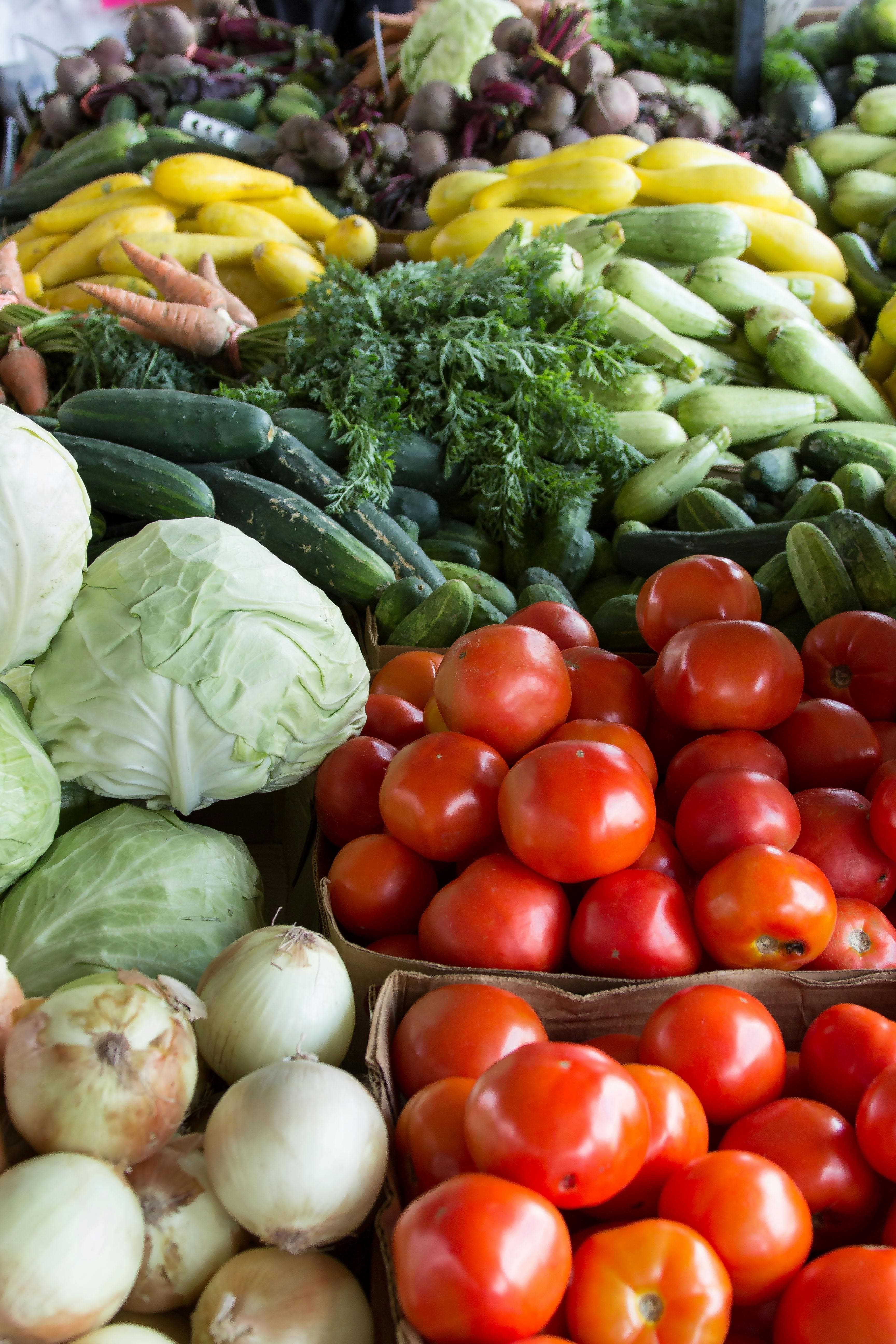
Spring's Gentle Healing Foods
You might be wondering, "What exactly should I be eating in spring?" Here are nature's gifts that'll help you shake off winter fatigue and feel energized again:
| Spring Foods | Key Nutrients | Women's Health Benefits |
|---|---|---|
| Asparagus | Folate, glutathione, vitamin K | Supports fertility, liver detox |
| Artichokes | Cynarin, fiber, antioxidants | Aids digestion, supports liver |
| Spring Greens | Chlorophyll, iron, calcium | Blood building, bone health |
| Strawberries | Vitamin C, anthocyanins | Collagen support, anti-inflammatory |
| Peas | Protein, B vitamins, fiber | Energy production, mood support |
Your 5-Minute Spring Morning Ritual
"I don't have time for complicated morning routines," I hear this all the time. Here's a simple way to ease into spring eating that takes less time than brewing coffee:
Start with warm lemon water
Supports gentle detoxification and hydration after sleep
Add one handful of spring greens to whatever you're already eating
Spinach in your smoothie, arugula on your toast—no need to overhaul everything
Choose one fresh herb as your "signature" for the week
Cilantro week, parsley week, basil week—makes grocery shopping simpler
☀️ Summer: Nature's Cooling System for Your Body
If you've ever wondered why you naturally lose your appetite for heavy foods when it's hot, or why a crisp cucumber sounds so appealing on a sweltering day, you're experiencing your body's innate wisdom at work.
Summer foods are nature's air conditioning system—they're naturally lower in calories, higher in water content, and packed with compounds that help your body handle heat and sun exposure beautifully[4]. The women I work with are always amazed when they stop fighting their summer cravings and start embracing them.
Why You Crave Different Foods in Summer
"I used to feel guilty about wanting lighter meals in summer," Maria shared with me. "I thought I was being lazy about cooking." But your summer cravings are actually brilliant:
Your Body's Natural Temperature Control
Water-rich foods like cucumbers and melons help maintain hydration while providing electrolytes—your body's way of staying cool without overworking your system.
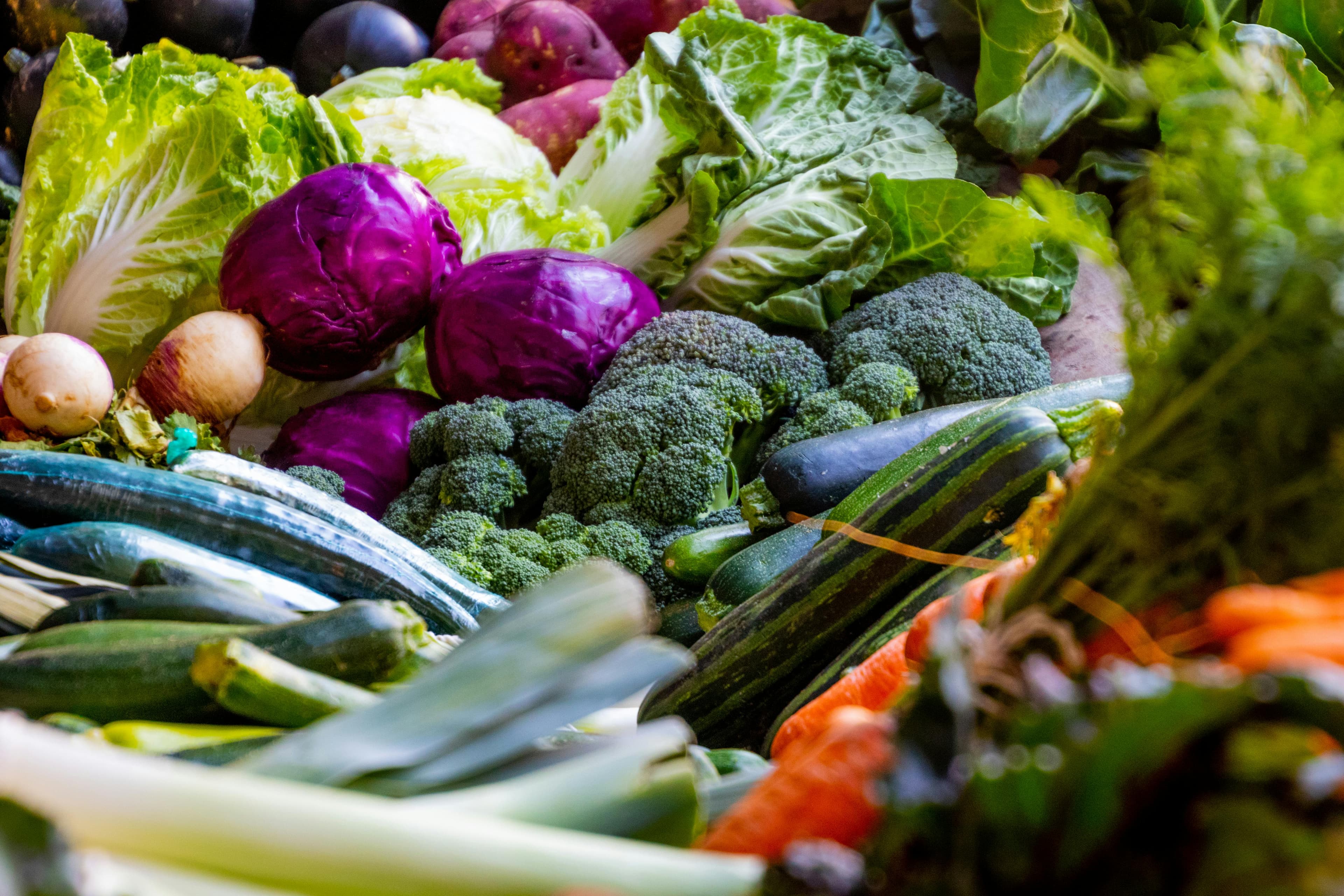
Summer's Hydrating Superstars
Here's what to stock up on when the temperature rises. These foods don't just taste refreshing—they're working behind the scenes to keep you energized and glowing all summer long:
| Summer Foods | Key Nutrients | Women's Health Benefits |
|---|---|---|
| Berries | Anthocyanins, vitamin C, fiber | UTI prevention, skin health |
| Watermelon | Lycopene, citrulline, water | Hydration, cardiovascular support |
| Cucumbers | Silica, water, electrolytes | Skin elasticity, reduces bloating |
| Tomatoes | Lycopene, vitamin C, potassium | Sun protection, heart health |
| Zucchini | Vitamin A, manganese, fiber | Blood sugar balance, digestion |
The 2-Minute Hydration Hack That Changes Everything
"I know I should drink more water, but plain water is so boring," sound familiar? Here's what I tell every client:
Create "Spa Water" That Actually Tastes Good
Throw these combos in a big water bottle Sunday night:
- • Cucumber + mint (kidney support + digestive aid)
- • Strawberry + basil (antioxidants + natural sweetness)
- • Watermelon + lime (electrolytes + vitamin C)
You'll actually want to drink it, plus you get trace minerals and skin-supporting antioxidants.
🍂 Fall: When Comfort Food Actually Serves Your Health
You're not imagining it—you really do need heartier foods as the days get shorter. That pull toward warming soups and roasted root vegetables? That's not lack of willpower; it's your body preparing for winter in the most intelligent way possible.
Fall foods are rich in complex carbohydrates and healthy fats that support your changing hormonal needs as daylight decreases. These aren't "bad" comfort foods—they're exactly what your body needs for stable mood and sustained energy during this transition[5].
Why Fall Comfort Foods Are Actually Good Medicine
"I always feel guilty about craving heavier foods in fall," Jessica told me. "Like I'm being weak." But here's what I want you to understand:
Your Brain Needs More Support
As daylight decreases, your serotonin production drops. Complex carbs in fall foods provide the building blocks your brain needs to maintain stable mood—it's biochemistry, not weakness.
Your Immune System Gears Up
Fall foods are loaded with vitamin A, zinc, and other nutrients that prep your immune system for cold season. Your cravings are actually protective.
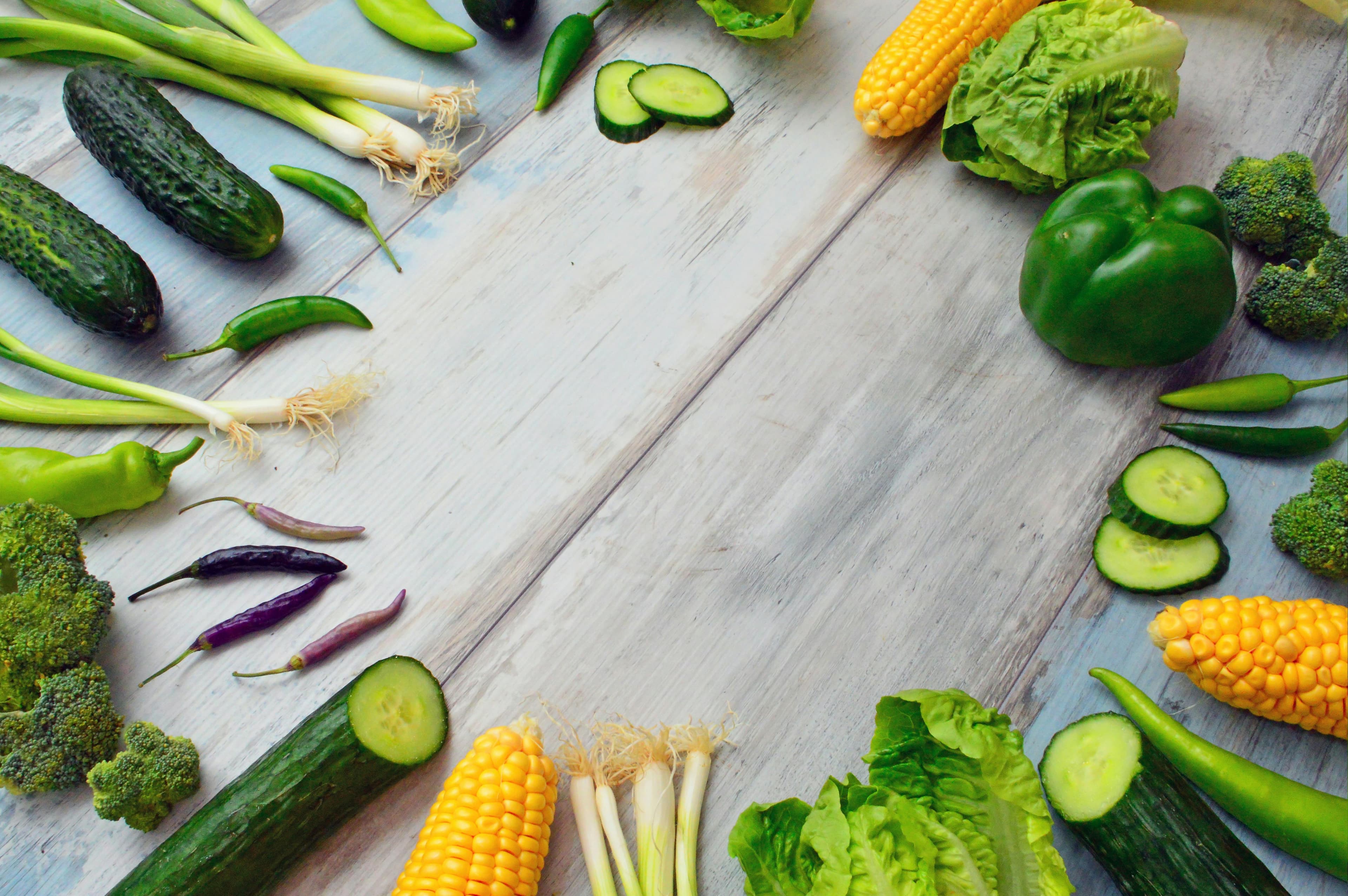
Fall's Warming Medicine Cabinet
These foods aren't just delicious—they're working to keep you healthy, energized, and emotionally balanced through the season of change:
| Fall Foods | Key Nutrients | Women's Health Benefits |
|---|---|---|
| Sweet Potatoes | Beta-carotene, fiber, B6 | Progesterone support, mood balance |
| Pumpkin | Vitamin A, zinc, iron | Immune support, skin health |
| Apples | Quercetin, pectin, fiber | Blood sugar control, gut health |
| Brussels Sprouts | Vitamin K, C, glucosinolates | Estrogen metabolism, bone health |
| Pomegranate | Punicalagins, vitamin C | Heart health, anti-aging |
"Fall foods are nature's way of preparing our bodies for winter. The beta-carotene in orange vegetables supports immune function, while the natural sweetness satisfies cravings that often intensify as daylight decreases."
Board-Certified Obesity Medicine & Reproductive Endocrinology
❄️ Winter: Deep Nourishment for Your Soul
If you've ever felt like you need "more" food in winter—more calories, more warmth, more comfort—trust that instinct. Your body's metabolic needs literally increase in cold weather, and winter foods are perfectly designed to meet those needs.
This is the season for deep nourishment, both physically and emotionally. Winter foods are rich in the healthy fats and warming spices that support hormone production, brain health, and the extra energy your body needs to stay warm[6].
Why Winter Eating Feels Different (And Should)
"I always gain a few pounds in winter and hate myself for it," Lisa shared with me recently. But what if I told you that's not a failure—it's biology?
Your Body Burns More Calories Staying Warm
Research shows your metabolic rate increases by 10-15% in cold weather. Your winter food cravings are your body asking for the fuel it actually needs.
Vitamin D Deficiency Changes Everything
With less sunlight, your body depends more on food sources for mood-supporting nutrients. Those hearty winter stews aren't indulgence—they're medicine.
Winter's Nourishing Powerhouses
These aren't just "winter foods"—they're your support system for the season that tests your resilience most:
| Winter Foods | Key Nutrients | Women's Health Benefits |
|---|---|---|
| Citrus Fruits | Vitamin C, bioflavonoids | Immune support, iron absorption |
| Root Vegetables | Complex carbs, minerals | Sustained energy, grounding |
| Dark Leafy Greens | Iron, calcium, vitamin K | Bone health, energy production |
| Winter Squash | Vitamin A, potassium, fiber | Immune function, satiety |
| Nuts & Seeds | Healthy fats, protein, zinc | Hormone production, mood |
Your Winter Wellness Blueprint
"Winter feels so hard every year," I hear this constantly. Here's how to work WITH your body instead of against it:
Start your morning with warming ritual foods
Oatmeal with cinnamon and ginger isn't just breakfast—it's telling your nervous system "we're safe and nourished"
Make friends with healthy fats
Your brain is 60% fat, and winter depression often improves with adequate healthy fats from nuts, seeds, and avocados
Cook with warming spices as medicine
Turmeric, ginger, and cinnamon aren't just flavors—they're anti-inflammatory powerhouses that support mood and immunity
Why Your Hormones Actually Love Seasonal Eating
You might be thinking, "This all sounds nice, but I need to know if it'll actually help my hormones." Here's something that might surprise you: your hormones don't just fluctuate monthly—they change seasonally too.
The women I work with often tell me they feel different in winter versus summer, and they're right. By aligning your diet with these natural rhythms, you're supporting your body's hormone production in exactly the way it evolved to work best.
Your Hormones Through the Seasons
Spring & Summer: Detox Season
"I feel so much clearer and lighter in summer," that's your estrogen metabolism working optimally with seasonal foods.
- • Lighter foods support natural detox pathways
- • Cruciferous veggies help process excess estrogen
- • Raw foods preserve heat-sensitive vitamins
- • Berries provide antioxidants for cellular repair
Fall & Winter: Building Season
"Why do I feel more stable when I eat heartier foods in winter?" You're supporting progesterone and thyroid function.
- • Healthy fats support hormone production
- • Complex carbs stabilize cortisol rhythms
- • Warming foods support thyroid function
- • Root vegetables provide sustained energy
Your "I Don't Have Time for This" Action Plan
You might be thinking, "This all sounds great, but I can barely keep up with regular grocery shopping." I get it. Here's how to make seasonal eating so simple it becomes automatic:
Your 15-Minute Weekly Seasonal Routine
Check what's on sale at your regular grocery store
Sales usually mean it's in season. No special trips needed—work with what you already do.
Pick 2-3 seasonal foods to focus on this month
Don't overhaul everything. Just add what's naturally abundant right now.
Buy extra when it's peak season and preserve simply
Wash berries and freeze them. Chop vegetables and freeze them. Simple preservation for winter.
The Secret to Seasonal Eating on Any Budget
"I'd love to eat seasonally, but I can't afford farmers' market prices," I hear this all the time. Here's the truth: seasonal eating can actually save you money when you know these strategies.
Money-Saving Secrets from My Clients
The "Ugly" Produce Hack
"Imperfect" seasonal produce is often 40% cheaper but nutritionally identical—your smoothie doesn't care if the strawberry is perfectly shaped.
The End-of-Market Strategy
Farmers often discount produce in the last hour of markets. One client feeds her family of four for $20/week this way.
The Sales-First Shopping Method
Plan meals around what's on sale (which is usually what's in season). Let abundance guide your menu, not recipes.
The Bulk + Preserve Approach
When berries hit $1/pint in summer, buy 10 pints and freeze them. You'll have organic berries all winter for less than conventional.
Create Your Seasonal Meal Plan
Ready to align your nutrition with nature's wisdom? Our meal planning tools help you create delicious, seasonal menus tailored to your health goals.
Real Meals for Real Life: What This Actually Looks Like
"Okay, this sounds great in theory, but what do I actually eat?" Here are simple meal ideas that my clients love—no complicated recipes, just real food that tastes good:
Spring Menu
- Breakfast: Green smoothie with spinach and strawberries
- Lunch: Asparagus and pea risotto
- Dinner: Herb-crusted salmon with spring greens
- Snack: Radishes with herb butter
Summer Menu
- Breakfast: Overnight oats with fresh berries
- Lunch: Gazpacho with avocado toast
- Dinner: Grilled vegetables with quinoa salad
- Snack: Watermelon with feta and mint
Fall Menu
- Breakfast: Pumpkin spice oatmeal with walnuts
- Lunch: Butternut squash soup
- Dinner: Roasted chicken with root vegetables
- Snack: Apple slices with almond butter
Winter Menu
- Breakfast: Warm chia pudding with citrus
- Lunch: Lentil stew with dark leafy greens
- Dinner: Baked cod with roasted Brussels sprouts
- Snack: Mixed nuts with dried cranberries
Your Next Step: Trust Your Body's Wisdom
If you're feeling overwhelmed by all the nutrition advice out there, here's what I want you to remember: your body already knows what it needs. Those seasonal cravings you've been fighting? They're not weaknesses—they're wisdom.
You don't need to overhaul your entire diet tomorrow. Start by noticing what you're naturally drawn to as seasons change. Add one seasonal food to your regular routine. Trust that small, consistent changes aligned with nature's rhythms will serve you better than any restrictive diet ever could.
For women especially, seasonal eating isn't just about nutrition—it's about honoring the cyclical, intuitive nature of our bodies. It's about working with our natural rhythms instead of against them. And it's about finding peace with food in a way that supports both your health and your life.
"The most successful women I work with don't follow seasonal eating perfectly—they follow it consistently. They trust their cravings, they eat what's abundant, and they let nature guide their choices. The result? They feel more energized, their hormones balance naturally, and they actually enjoy food again. That's the real magic of eating seasonally."
Director of Health Coaching Operations
Common Questions About Seasonal Eating
Seasonal eating means consuming foods that are naturally harvested during specific times of the year. For women, this approach supports hormonal balance, provides varied nutrients throughout the year, and can reduce inflammation. Seasonal produce is also typically more nutrient-dense, as it's harvested at peak ripeness rather than being transported long distances.
Seasonal eating naturally provides the nutrients your body needs when it needs them most. For example, warming foods in winter support metabolism during colder months, while hydrating summer produce helps manage heat and inflammation. This variety ensures you get diverse phytonutrients that support estrogen metabolism, thyroid function, and adrenal health throughout the year.
Spring greens like spinach and asparagus provide folate for healthy ovulation. Summer berries offer antioxidants that reduce menstrual inflammation. Fall root vegetables provide complex carbs that support progesterone production. Winter citrus delivers vitamin C for iron absorption during menstruation. This natural variety supports your cycle year-round.
Actually, seasonal eating is often more budget-friendly! When produce is in season locally, it's abundant and therefore less expensive. You'll save money buying strawberries in June rather than December. Shopping at farmers' markets, joining CSAs, or buying in bulk during peak season and preserving foods can significantly reduce your grocery costs.
Focus on storage crops like root vegetables, winter squash, and cabbage family vegetables that naturally last through winter. Incorporate preserved foods like fermented vegetables, frozen berries from summer, and dried beans. Many cold-climate cultures have traditional preservation methods that maintain nutrition through winter months.
Yes! Seasonal eating naturally aligns with your body's metabolic needs. Lighter, water-rich foods in summer help with natural detoxification and reduced calorie needs in heat. Heartier fall and winter foods provide sustained energy when your body requires more calories for warmth. This intuitive approach often leads to easier weight maintenance.
Start with what's available locally and supplement thoughtfully. Focus on foods that grow in your region, use frozen options for out-of-season produce (often more nutritious than fresh transported foods), and consider preserved or fermented versions. The goal is progress, not perfection—even small shifts toward seasonal eating provide benefits.
Seasonal eating naturally promotes gut health through dietary diversity. Different seasons provide various types of fiber, prebiotics, and phytonutrients that feed different beneficial bacteria. This variety throughout the year helps maintain a robust, diverse microbiome, which is essential for hormone metabolism, immune function, and mental health in women.
References
- 1.Macdiarmid, J. I. (2014). Seasonality and dietary requirements: will eating seasonal food contribute to health and environmental sustainability? Proceedings of the Nutrition Society, 73(3), 368-375.External link
- 2.Brooks, R. C., et al. (2022). Seasonal variations in food intake and metabolic indicators: implications for dietary recommendations. Nutrition Reviews, 80(4), 874-886.External link
- 3.American Heart Association. (2023). The Benefits of Seasonal Eating Patterns on Cardiovascular Health. Journal of the American Heart Association, 12(3), e028745.External link
- 4.Willett, W., et al. (2019). Food in the Anthropocene: the EAT–Lancet Commission on healthy diets from sustainable food systems. The Lancet, 393(10170), 447-492.External link
- 5.Drewnowski, A., & Gomez-Carneros, C. (2023). Seasonal variations in nutrient density and cost of fruits and vegetables. American Journal of Clinical Nutrition, 117(2), 523-531.External link
- 6.Traditional Chinese Medicine World Foundation. (2023). Seasonal Nutrition According to TCM Principles. Journal of Traditional Chinese Medicine, 43(2), 201-208.External link
Related Articles
Continue your PCOS journey with these helpful guides
Anti-Inflammatory Diet for Women: Complete Guide
Learn how seasonal foods can reduce inflammation and support hormonal balance.
Gut Health Diet for Women: Evidence-Based Guide
Discover how seasonal eating supports microbiome diversity and digestive health.
Mediterranean Women's Health Guide
Explore how Mediterranean seasonal eating patterns benefit women's health.
Seasonal Recipes & Nutrition Tips
Get monthly seasonal eating guides, recipes, and evidence-based nutrition tips delivered to your inbox.
No spam, unsubscribe at any time.
Last Updated: 9/4/2025
Medical Disclaimer: This seasonal eating guide is for educational purposes only and does not constitute personalized medical or nutritional advice. Individual nutritional needs vary based on health conditions, medications, and personal factors. Always consult with qualified healthcare professionals and registered dietitians for nutrition guidance tailored to your specific health needs.